April 8, 2026
AI Food Photography: A New Era for Brands
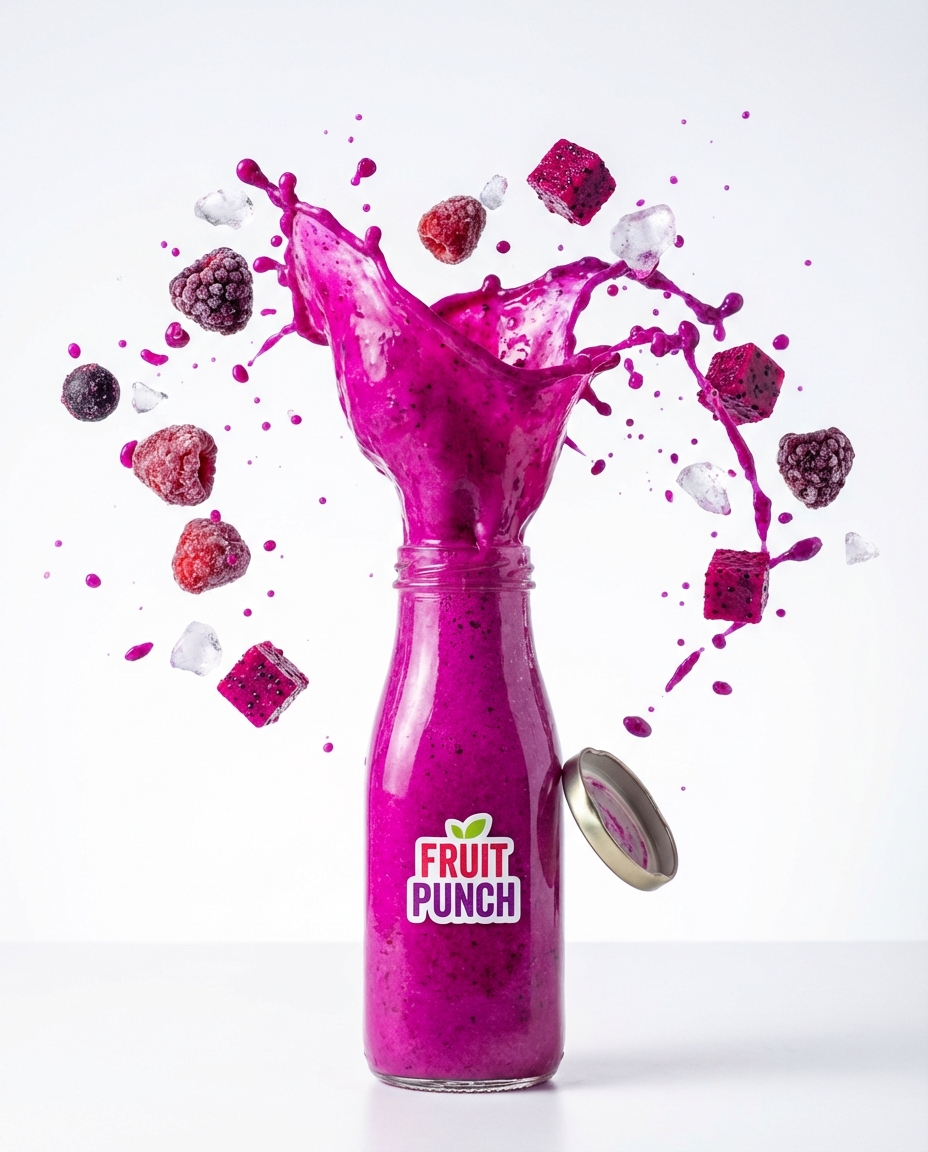
There's a reason food photographers charge what they do. Shooting food is, by almost every measure, the most technically demanding category in product photography. Colors shift under different lighting. Condensation appears and disappears in minutes. Ice cream melts under studio lights before you've nailed the angle. And the gap between what food looks like in real life and what it needs to look like in an ad is enormous — which is why the industry invented an entire profession (food stylist) dedicated to making things look appetizing on camera. We're talking glycerin sprays for fake dewdrops, motor oil standing in for syrup, and mashed potatoes sculpted to look like ice cream. The whole thing is an elaborate illusion, and it's expensive.
For most food and beverage brands — especially smaller ones selling packaged goods online — that level of production is completely out of reach. You're not hiring a food stylist for your granola bar listing. You're not renting a studio with a kitchen set for your hot sauce brand. So you end up with a phone photo on a cutting board, and it looks... fine. Not great. Not the kind of image that stops someone mid-scroll on Instagram or makes a shopper click "Add to Cart" on Amazon.
Why Food Product Photos Are So Hard to Get Right
The core problem with food photography isn't the camera — it's everything else. Color accuracy matters more here than in almost any other category. A slightly off white balance can make fresh bread look stale or turn vibrant fruit into something unappetizing. Then there's the texture problem: food has surfaces that are simultaneously matte and glossy, rough and smooth, wet and dry. A chocolate bar has a snap to it. A beverage has condensation. A bag of chips has a crinkle. Capturing all of that in a single frame, with lighting that flatters the product and a background that tells a story, requires serious skill and serious gear.
Traditional food shoots work something like this: you book a studio or a styled kitchen set, hire a photographer and a food stylist, spend hours prepping the food (often multiple versions of the same dish, because the first three will wilt or melt), shoot for a full day, then spend another day or two in post-production adjusting colors, compositing elements, and retouching. For a single hero image. Multiply that across a product line of twenty SKUs and you're looking at a budget that would make most small brand owners wince.
How AI Changes the Economics of Food Photography
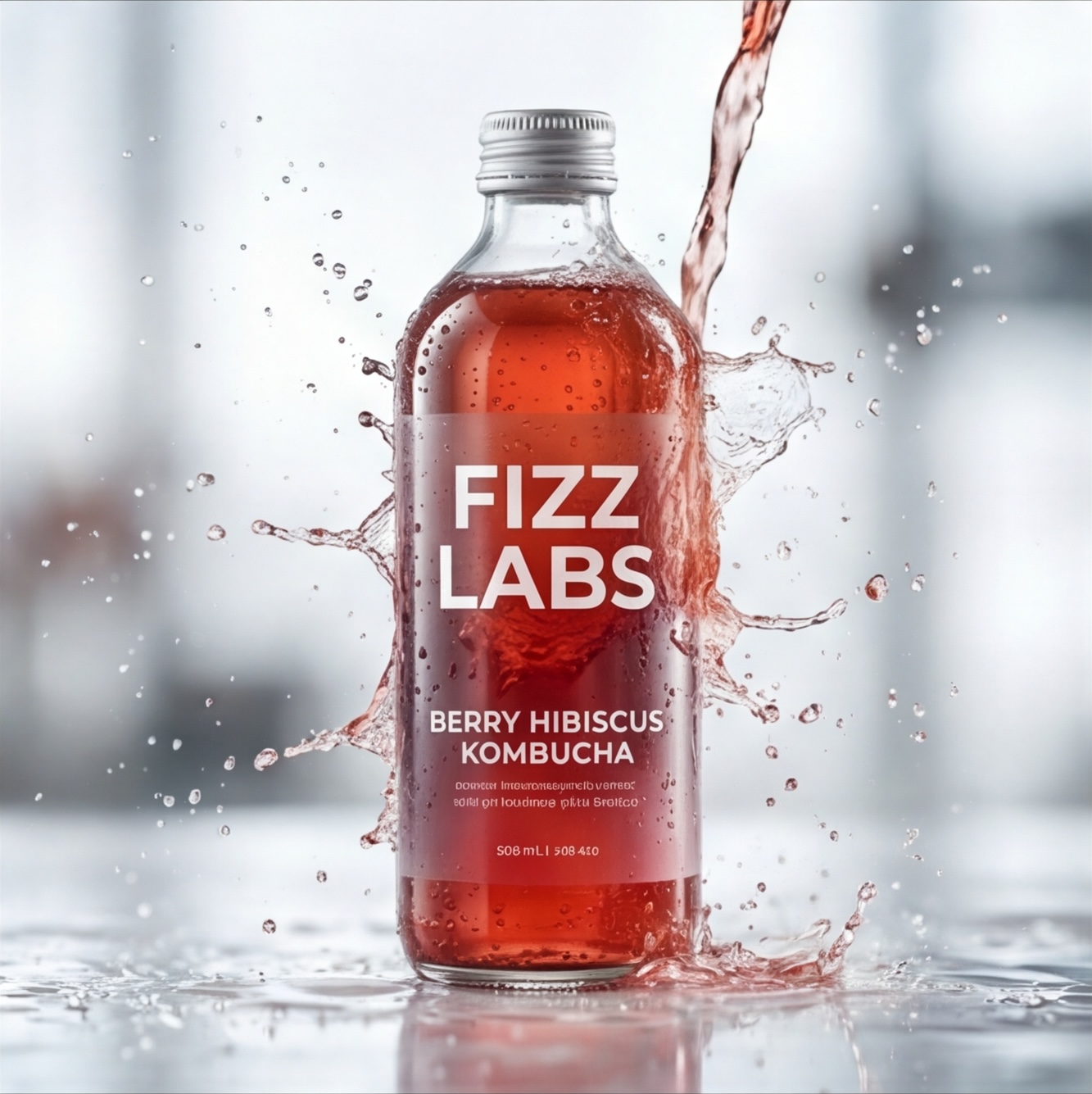
The shift happening right now isn't subtle. AI-generated food photography has reached a point where the output is genuinely difficult to distinguish from a professional studio shoot — and in some cases, it's producing scenes that would be nearly impossible to capture traditionally. Think about a beverage bottle sitting on a rain-soaked cobblestone street at golden hour, or a jar of honey surrounded by wildflowers in a sun-drenched meadow. Those are the kinds of scenes that would require a location shoot, perfect weather, and hours of setup. With AI, they're generated in seconds from a single clean product photo.
The workflow is straightforward. You take a decent photo of your product — good lighting, sharp focus, any background — and upload it to a tool like Flyshot. The AI removes the background (here's how that process works), then generates a completely new scene around your product. You pick a vibe — rustic kitchen, minimalist marble, outdoor picnic — and the AI handles the rest: lighting direction, shadows, reflections, depth of field. The product itself stays pixel-perfect; only the environment changes.
What AI Food Photography Actually Looks Like
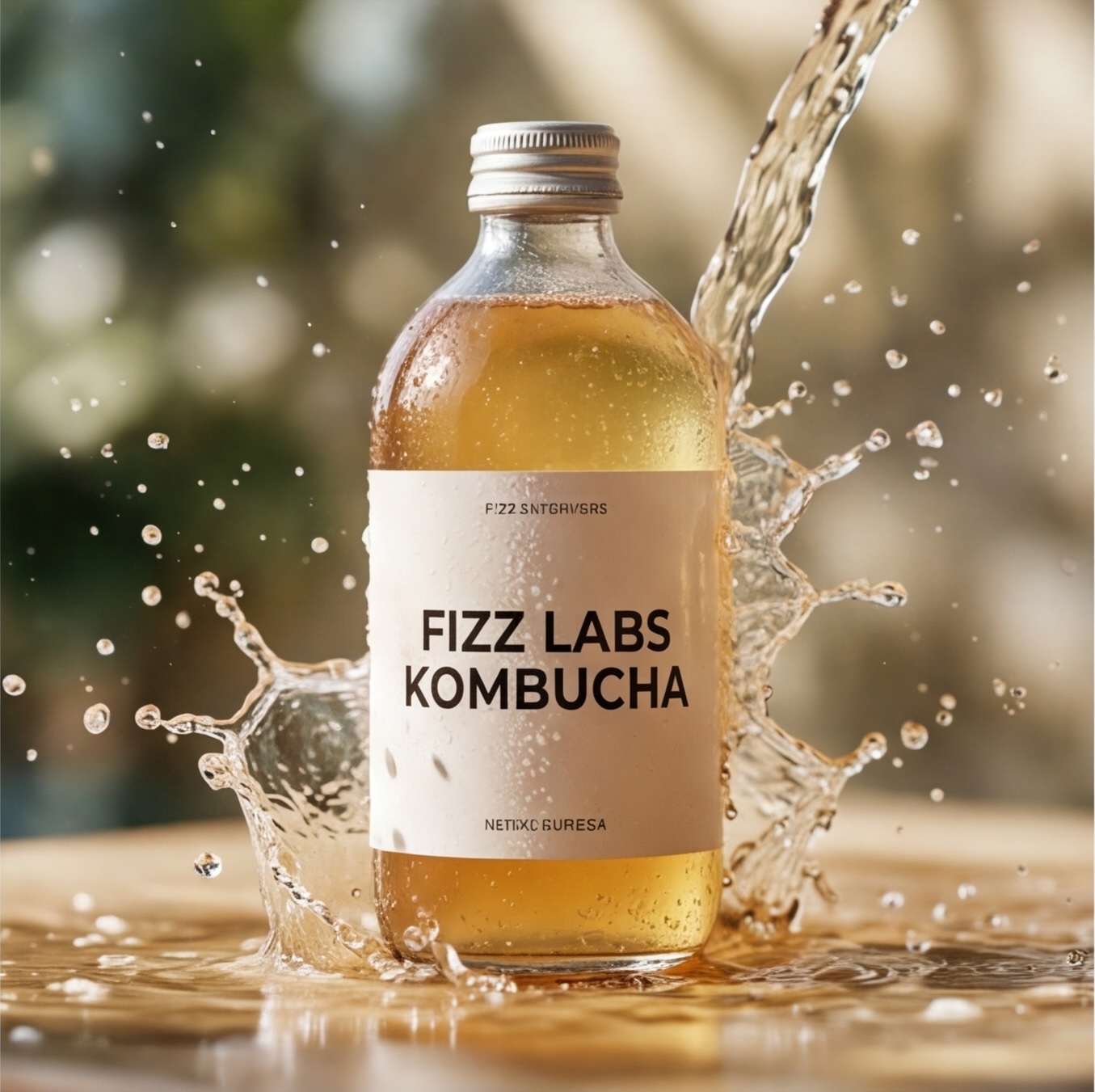
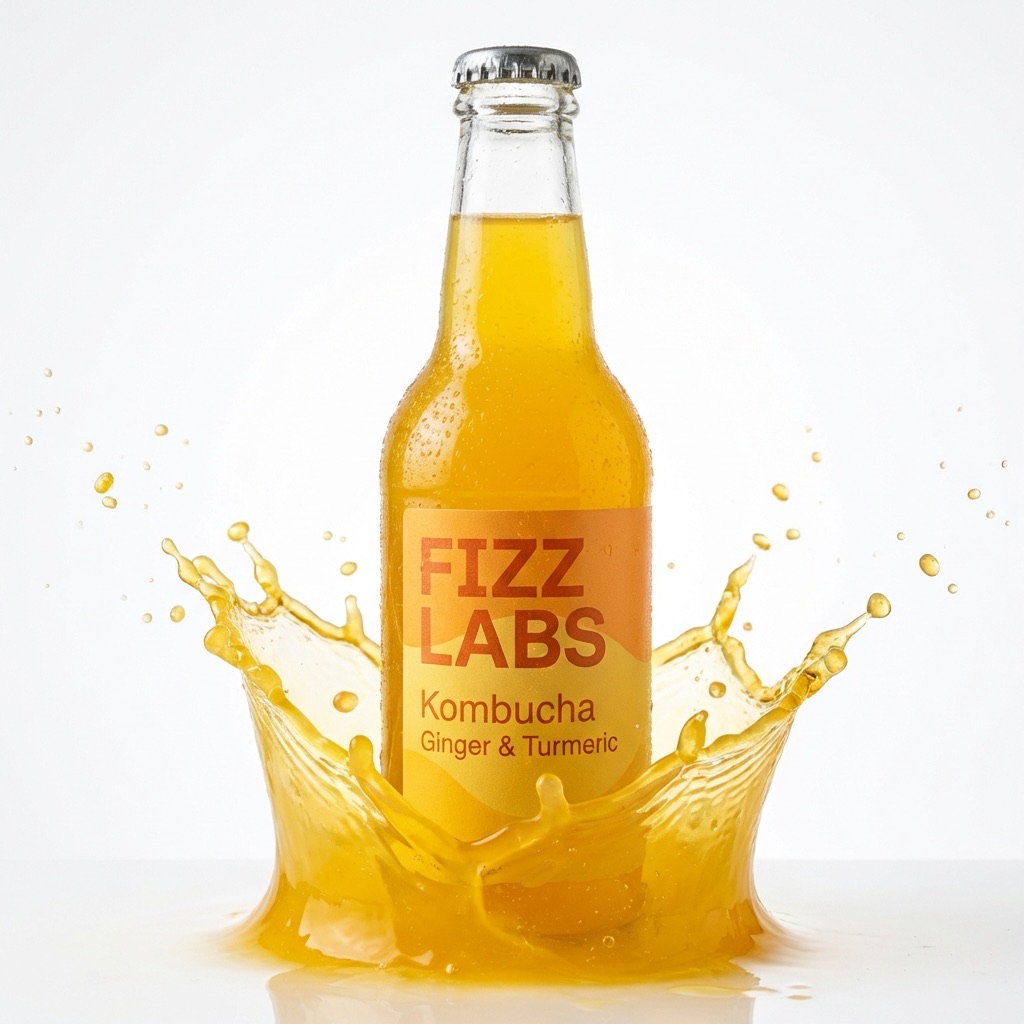
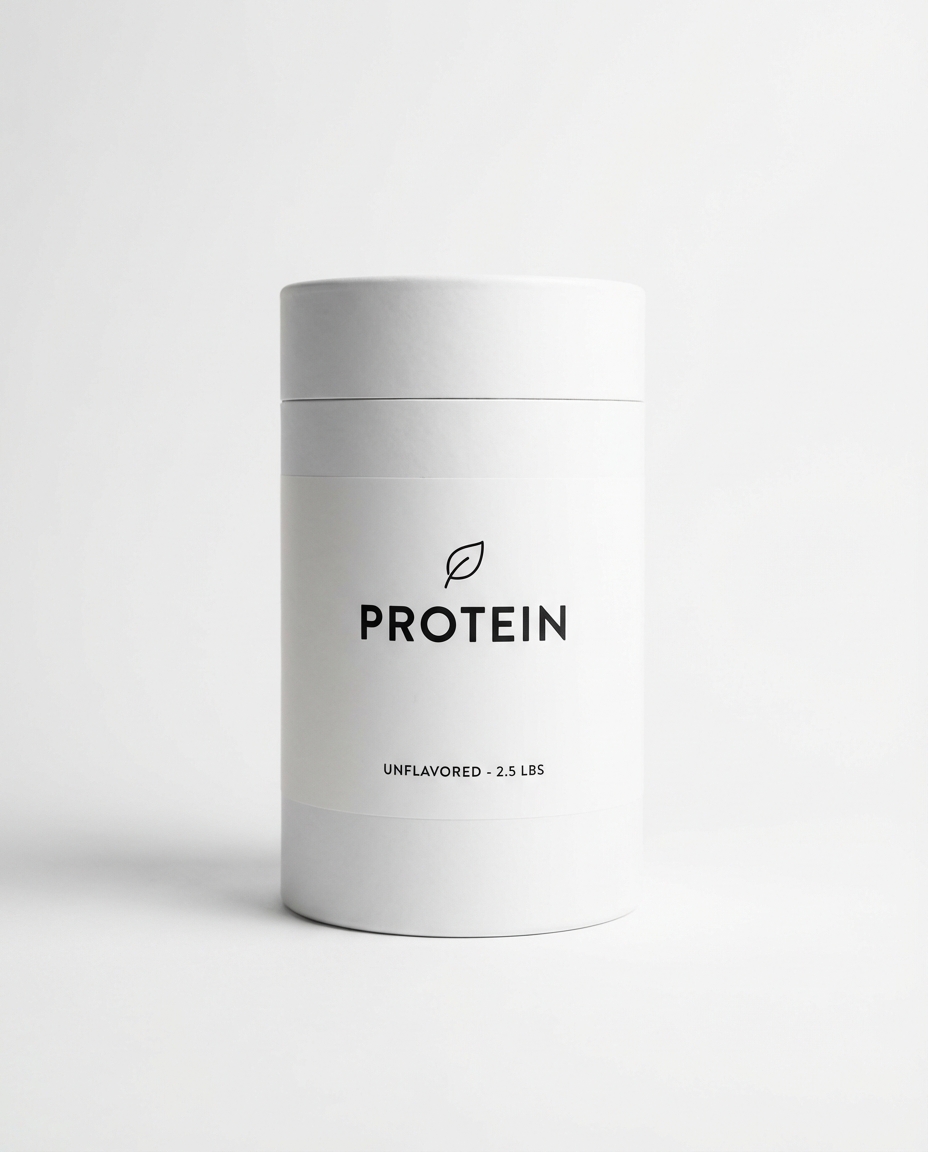
The images throughout this article were all generated using AI. Look at them closely. The lighting wraps around the bottles and packaging naturally. Shadows fall where you'd expect them to. Reflections on glass surfaces behave the way real reflections do. The backgrounds aren't generic blurs — they're fully realized scenes with depth, texture, and atmosphere. That's the part that surprises most people when they first see AI-generated food product photos: it's not just "good enough." It's genuinely compelling.
What makes this particularly powerful for food and beverage brands is consistency. When you're building a product line, you need your imagery to feel cohesive across every SKU. Same lighting style, same mood, same visual language. Achieving that with traditional photography means booking the same photographer, the same studio, the same stylist — every single time. With AI, you define your style once and apply it across your entire catalog. Your hot sauce, your salsa, your marinade — they all live in the same visual world, and you can generate the whole set in an afternoon.
The Practical Side for Food Brands
None of this means traditional food photography is dead. If you're shooting for a national TV campaign or a billboard, you'll probably still want a full production crew. But for the vast majority of food and beverage brands — the ones selling on Shopify, Amazon, Etsy, or their own DTC site — AI has fundamentally changed the math. You don't need to choose between a $50 phone photo and a $5,000 studio shoot anymore. There's a middle ground that didn't exist two years ago, and it produces results that genuinely compete with professional work.
The cost structure reflects that shift. Instead of paying per shoot, you're paying per image — a few credits for a high-resolution lifestyle scene that would've cost hundreds to produce traditionally. For a small brand launching a new product line, that's the difference between having three generic white-background shots and having a full library of lifestyle imagery for your website, social media, and marketplace listings. If you want to see what your own products look like in AI-generated scenes, Flyshot's studio lets you try it with 10 free credits.
For more on getting the most out of AI product photography across categories, check out our complete guide to AI product photography or learn what AI product photography actually is if you're just getting started. And if you're shooting your raw product photos on a phone (which works perfectly well as input for AI), our phone photography guide covers everything you need to know about capturing clean source images.