April 6, 2026
AI Home Decor Photography: Sell the Lifestyle
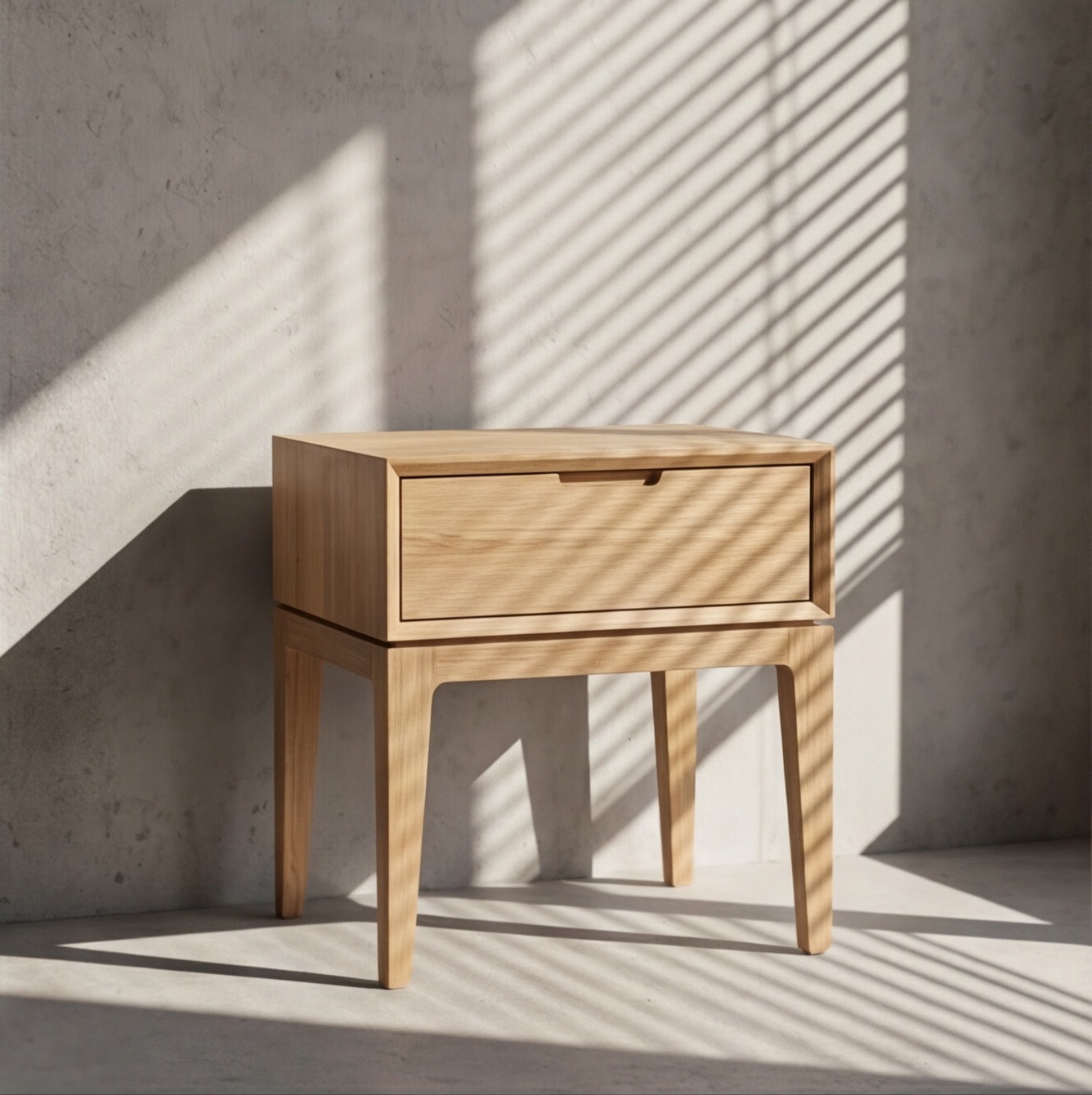
Nobody has ever looked at a vase on a white background and thought, "I need that in my life." Home decor is the one product category where context isn't just helpful — it's the entire sale. A ceramic planter sitting in empty white space is just an object. That same planter on a sunlit shelf next to a stack of books, with a trailing pothos spilling over the edge? Now it's a vibe. Now it's the missing piece in someone's living room. The difference between those two photos is the difference between a scroll-past and an add-to-cart, and every home decor seller knows it instinctively. The problem has always been that creating those room scenes is absurdly expensive.
Traditional home decor photography involves staging entire rooms. Not just the product — the room it lives in. Furniture brands rent showroom spaces or build sets from scratch. Smaller brands borrow friends' apartments or spend weekends rearranging their own living rooms to create the illusion of a curated space. Either way, you're looking at hours of setup for a handful of shots, and the results are locked to that one specific room, that one specific lighting condition, that one specific arrangement. Want to show the same throw pillow in a modern minimalist setting and a cozy farmhouse context? That's two completely different shoots.
Why Room Context Drives Home Decor Sales
The psychology behind this is straightforward. Home decor purchases are almost entirely emotional. People aren't buying a candle holder because they need something to hold candles — they're buying it because they saw it in a photo that made them feel something about their own space. The room in the photo becomes a proxy for the buyer's aspirations. That's the living room I want. That's the bedroom I'm building. The product is just the entry point.
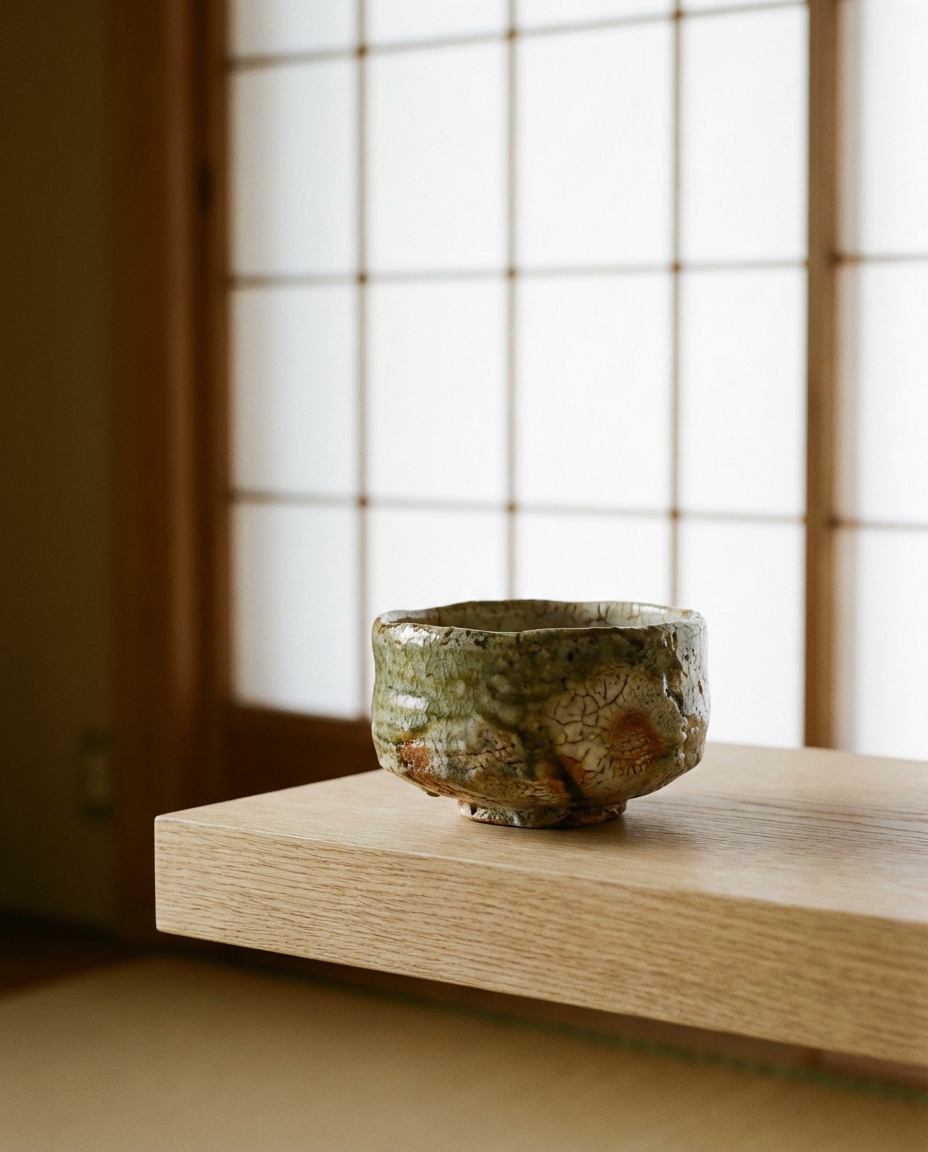
This is why West Elm, CB2, and Pottery Barn invest millions in photography that barely shows the product in isolation. Their catalogs are room after room after room — carefully styled, professionally lit, designed to make you feel like buying one throw blanket will transform your entire apartment. And it works. Conversion rates on lifestyle home decor images consistently outperform isolated product shots by wide margins. One study from Shopify found that home and furniture products with lifestyle imagery saw up to 40% higher engagement than those with plain backgrounds. The image isn't supporting the sale; the image is the sale.
For small home decor brands — the Etsy ceramicist, the independent candle maker, the artisan woodworker — this creates a painful catch-22. You know your products need to be shown in beautiful room settings. You also know that creating those settings costs more than your monthly revenue. So you compromise: maybe one or two styled shots per product, supplemented with white background images that do nothing for conversion. Or you spend an entire weekend staging your apartment, get decent photos of five products, and then have 30 more in your catalog that still look like they were photographed on a folding table.
AI-Generated Room Scenes From a Single Photo
This is the specific problem AI home decor photography solves. You photograph your product once — on any clean surface, with decent lighting — and the AI generates the room around it. Not a generic room, either. The scene matches the product's style, scale, and color palette. A rustic wooden bowl gets placed in a warm, earthy kitchen. A sleek modern vase ends up on a minimalist console table with clean lines and neutral tones. The AI understands context because it's been trained on millions of interior design images, and it generates scenes that feel intentional rather than random.
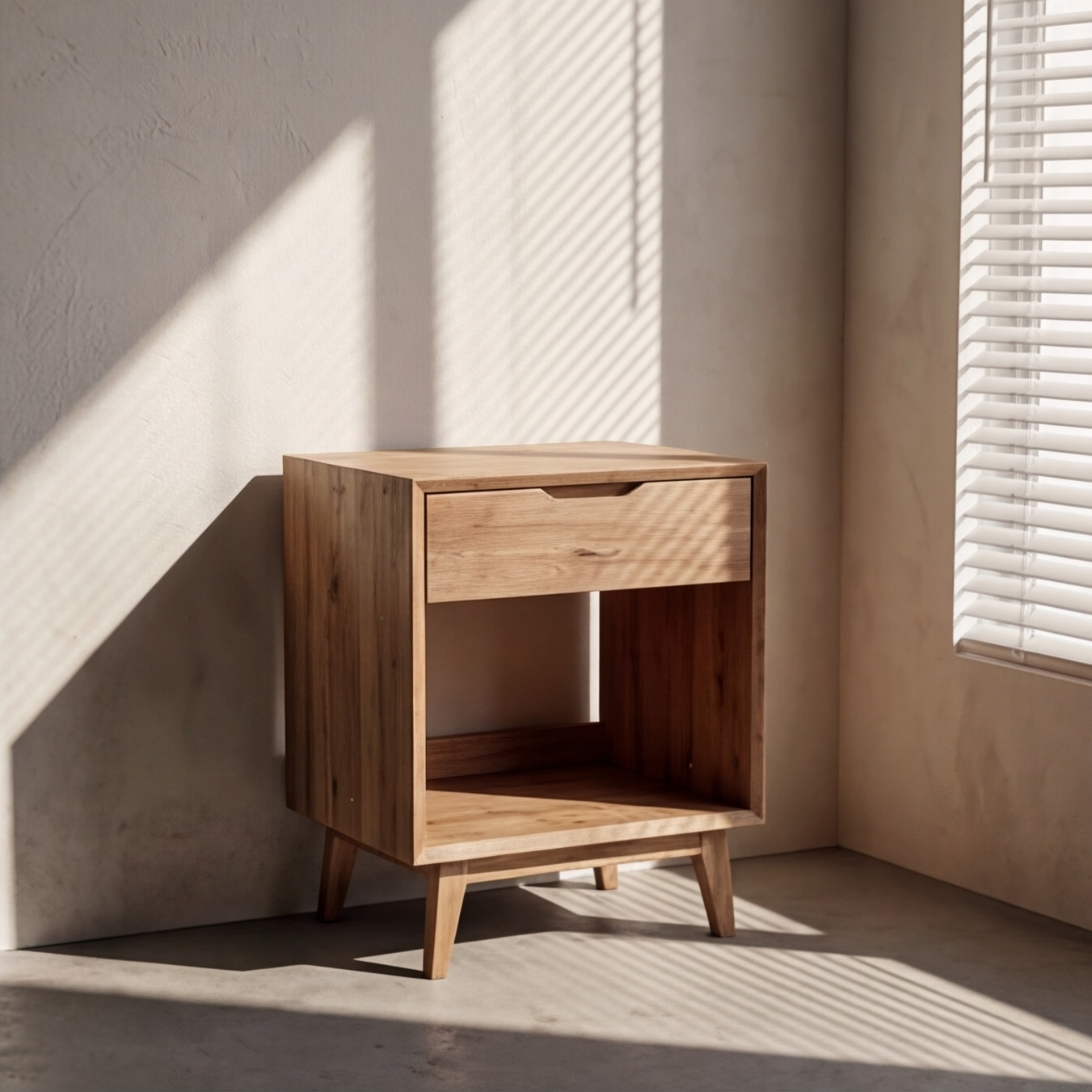
The practical workflow is simple. Upload your product photo to the Flyshot studio, select a style that matches your brand aesthetic, and generate. In under a minute, you have a product image that looks like it was pulled from an interior design magazine. The product itself is preserved exactly as photographed — same colors, same textures, same proportions. Only the environment changes. And because generation is credit-based (starting at roughly $0.30 per image on the standard plan), you can afford to create multiple scene variations for every product in your catalog without the cost scaling linearly the way traditional photography does.
The Catalog Consistency Problem, Solved
One of the most underappreciated challenges in home decor photography is maintaining a consistent visual identity across a large catalog. When you're staging real rooms, every shoot looks slightly different — different natural light depending on the time of day, different room layouts, different prop availability. Your product pages end up with a mishmash of visual styles that makes your store feel disjointed. AI generation eliminates this entirely. Apply the same style preset across your entire collection and every product looks like it belongs in the same curated world.
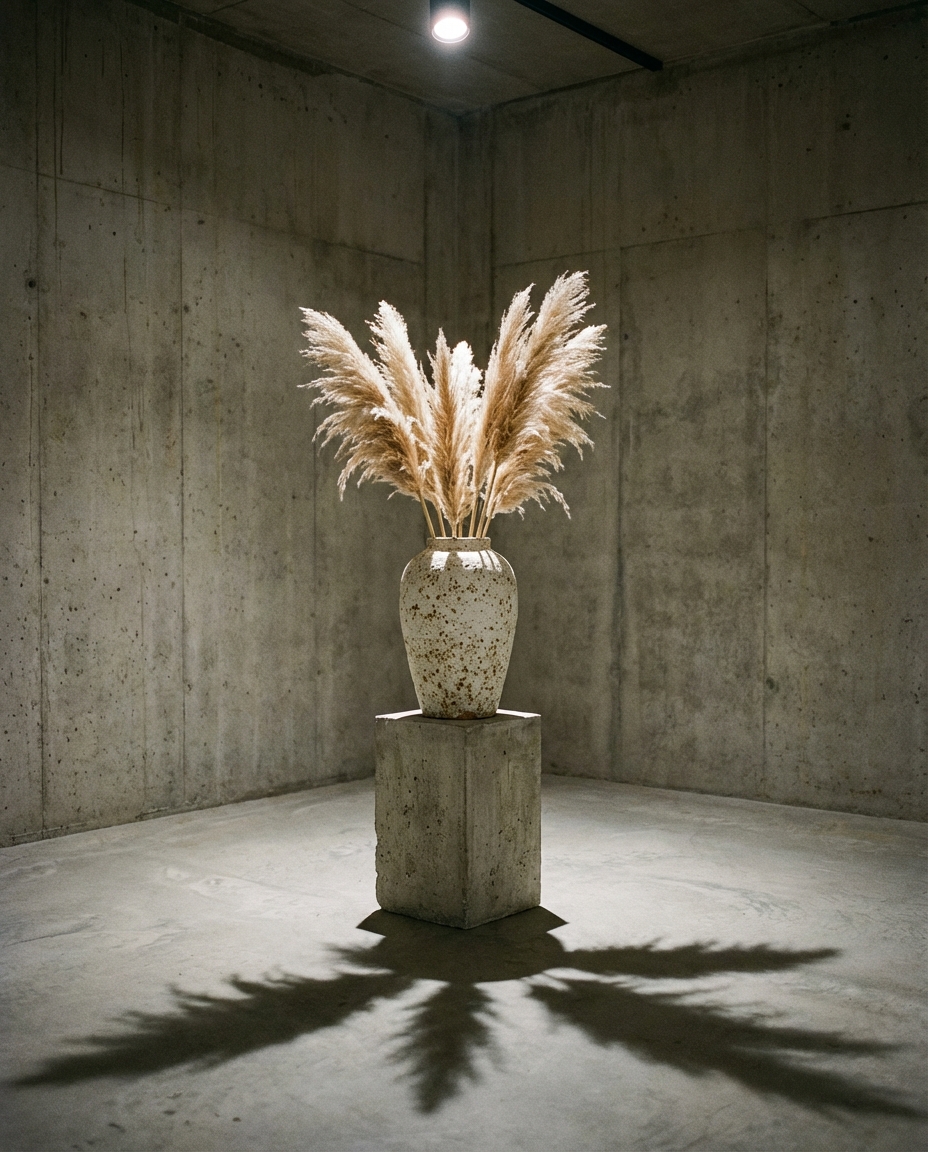
This matters more than most sellers realize. When a customer lands on your store and browses through multiple products, visual consistency builds trust. It signals that you're a real brand with a point of view, not a random seller with inconsistent quality. The big home decor retailers understand this — their entire catalogs feel like one continuous, beautiful space. With AI-generated scenes, a solo maker selling handmade ceramics can achieve that same cohesion without hiring a creative director.
Showing Scale and Use Without Props
Another persistent challenge with home decor photography is communicating scale. A photo of a decorative object on a white background gives the buyer almost no sense of how big it actually is. Is that vase 6 inches tall or 16? Will that wall art look right above a sofa or is it meant for a small nook? Returns in the home decor category are disproportionately driven by size surprises — the product looked bigger (or smaller) in the photo than it turned out to be in person.
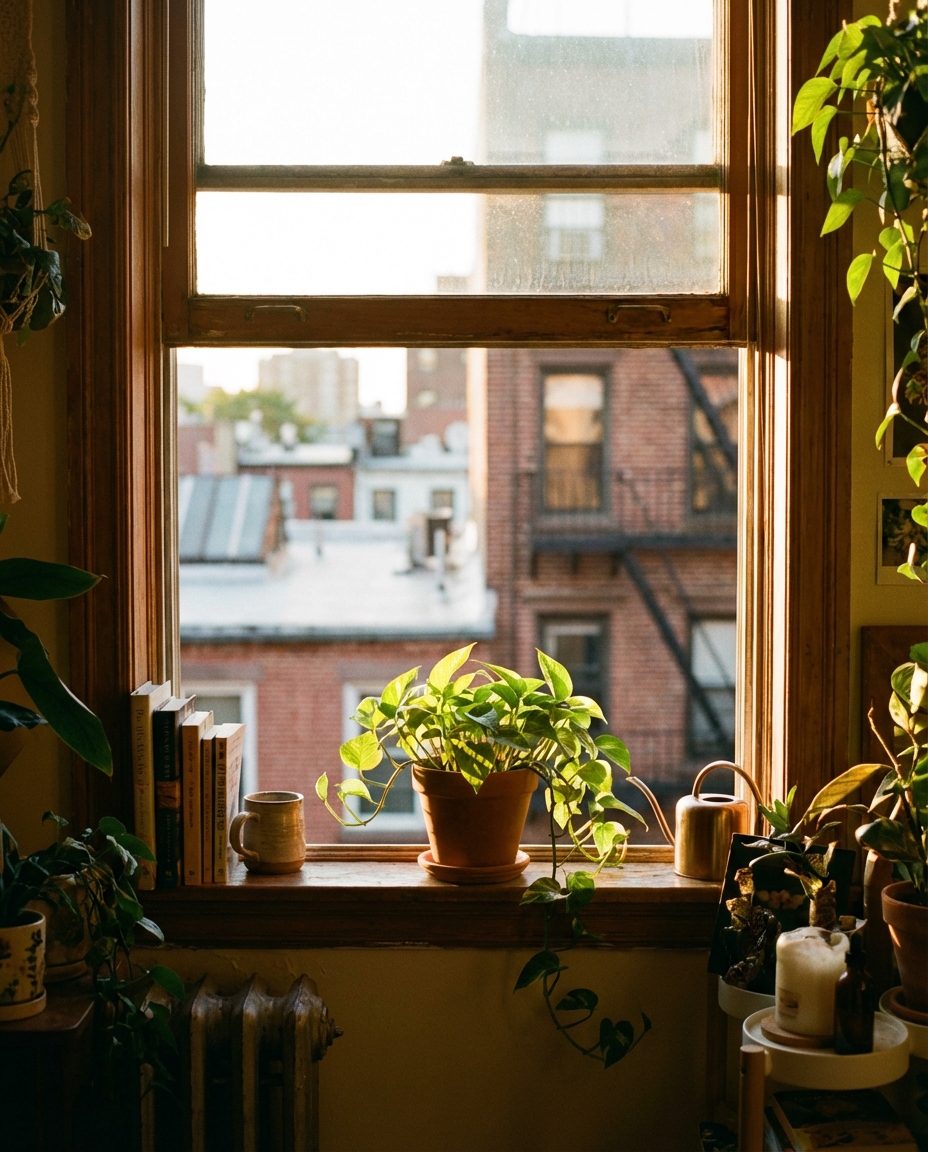
AI-generated room scenes solve this naturally. When your product is placed on a shelf next to books, or on a table beside a lamp, the buyer's brain automatically calibrates the scale. They don't need a ruler graphic or a "shown next to a quarter for scale" caption. The room context provides all the size information intuitively. This alone can reduce returns and improve customer satisfaction — two things that directly impact your bottom line, especially on marketplaces where return rates affect your seller metrics.
From Product Photo to Catalog-Ready in Minutes
The old workflow for home decor photography looked something like this: source props, stage a room, shoot for hours, cull and edit, retouch in Photoshop, repeat for the next product. A catalog of 50 items could take weeks of shooting and editing. The AI workflow compresses that dramatically. Photograph each product on a clean surface (a white table, a piece of fabric, even a sheet of paper), upload the batch, generate scenes, download. An afternoon of shooting and an hour of generation replaces weeks of traditional production.
For home decor sellers who are also the maker — which is most of them — this time savings is as valuable as the cost savings. Every hour spent staging rooms is an hour not spent making products, fulfilling orders, or running the business. The brands that figure out how to produce beautiful imagery efficiently are the ones that can actually scale, because they've removed the bottleneck that keeps most small home decor businesses stuck at a handful of products.
If your product photos aren't doing your products justice — if customers are seeing white-background shots of items that deserve to be shown in warm, styled rooms — the fix is faster than you think. Upload a product photo and see what the AI generates. The 10 free credits every new account gets are enough to test it across your best sellers. For more on how lifestyle imagery compares to plain backgrounds across categories, we broke down the data in our lifestyle vs white background comparison.